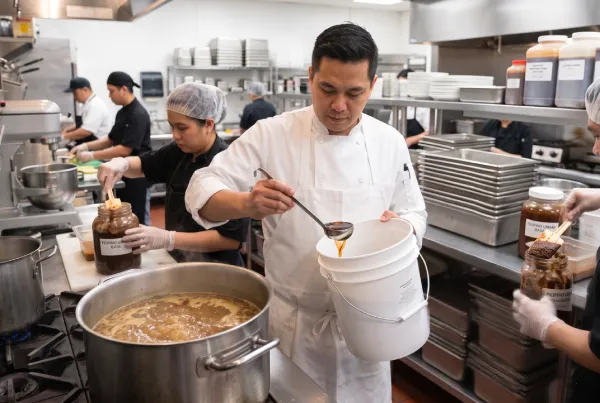
Scaling Filipino Umami: How Commercial Kitchens Leverage Authentic Patis and Bagoong for High-Margin Menus
The Power of Fermented Flavor Bases
Modern commercial operators face a common hurdle: building deep, complex flavor profiles without drastically increasing kitchen labor hours or ticket times. Traditional slow-reduction stocks take hours of range space and high ingredient cost. In contrast, authentic Philippine condiments—specifically artisanal fish sauce (patis) and fermented seafood paste (bagoong)—provide an instant, naturally concentrated source of glutamates. Integrating commercial-grade, consistent ferments enables culinary directors to lock in identical umami profiles across multiple locations without relying on artificial flavor boosters or erratic in-house reductions.
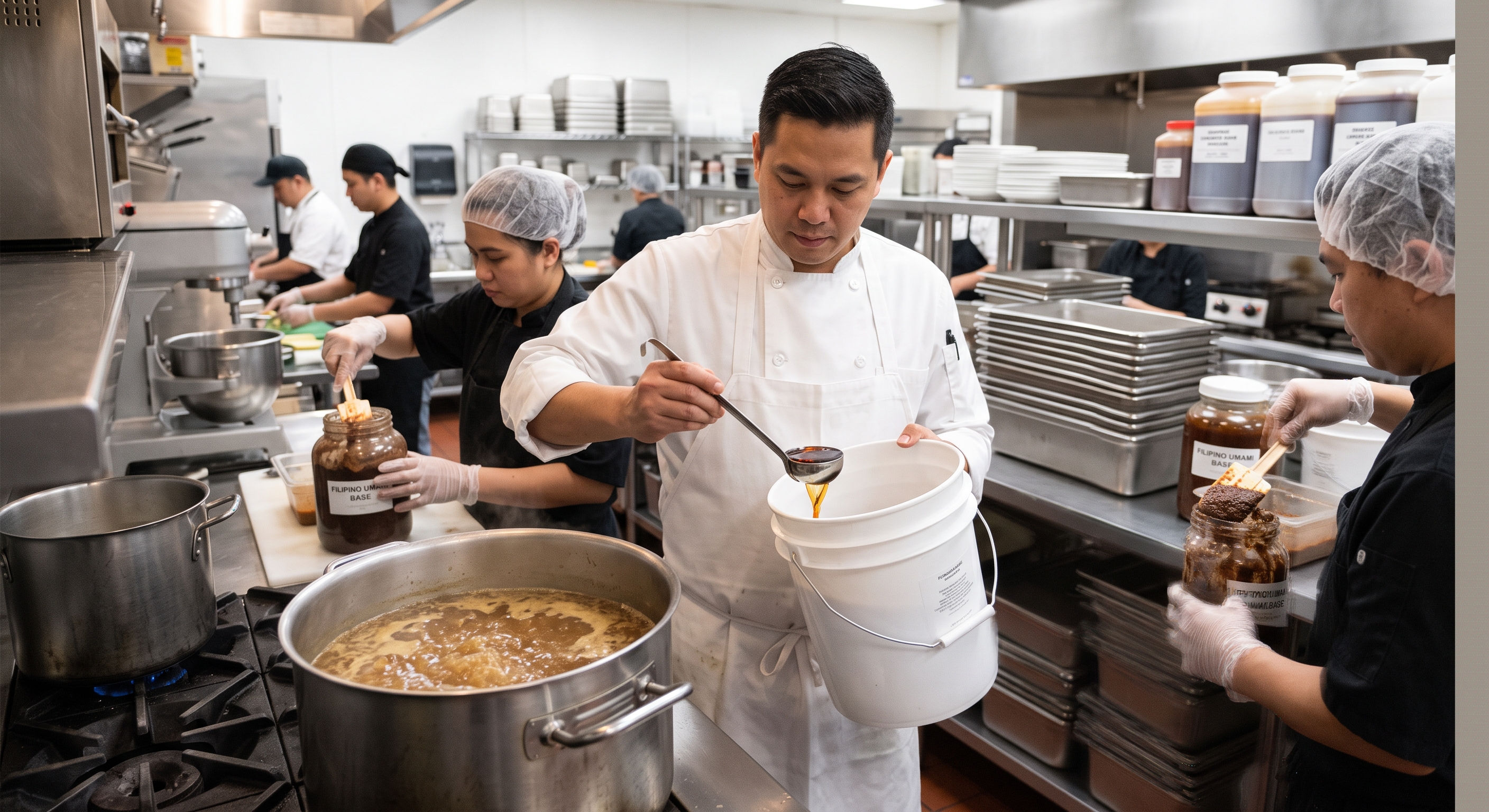
Maximizing Line Efficiency and Menu Margins
A small volume of heritage-fermented product yields high flavor output, making it one of the most cost-effective additions to a high-volume procurement sheet.
Versatility Beyond Ethnic Menus: Beyond standard Filipino staples like kare-kare and pinakbet, forward-thinking executive chefs utilize premium patis as a secret seasoning agent in dressings, marinades, house glazes, and fusion broths.
Standardized Yield & Waste Reduction: Commercial-grade, hermetically sealed packaging eliminates batch-to-batch variation, giving prep cooks predictable salinity and aroma every time.
Cost Per Plate Optimization: Because premium patis carries superior concentration, kitchens use up to 30% less liquid volume compared to heavily diluted mass-market alternatives, directly protecting operating margins.